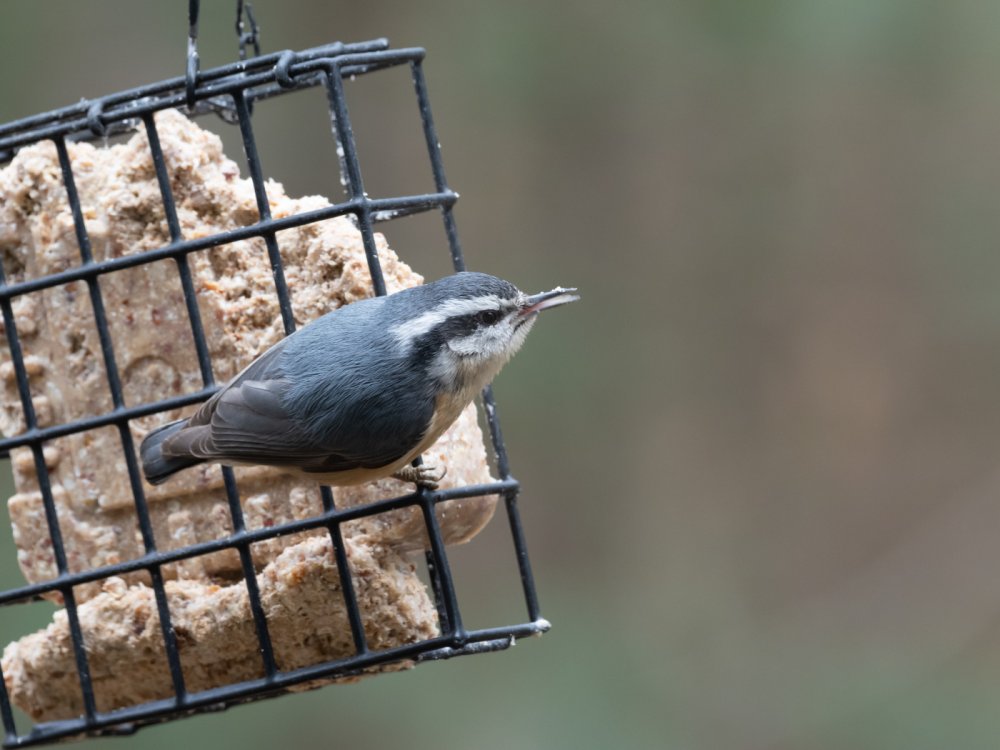
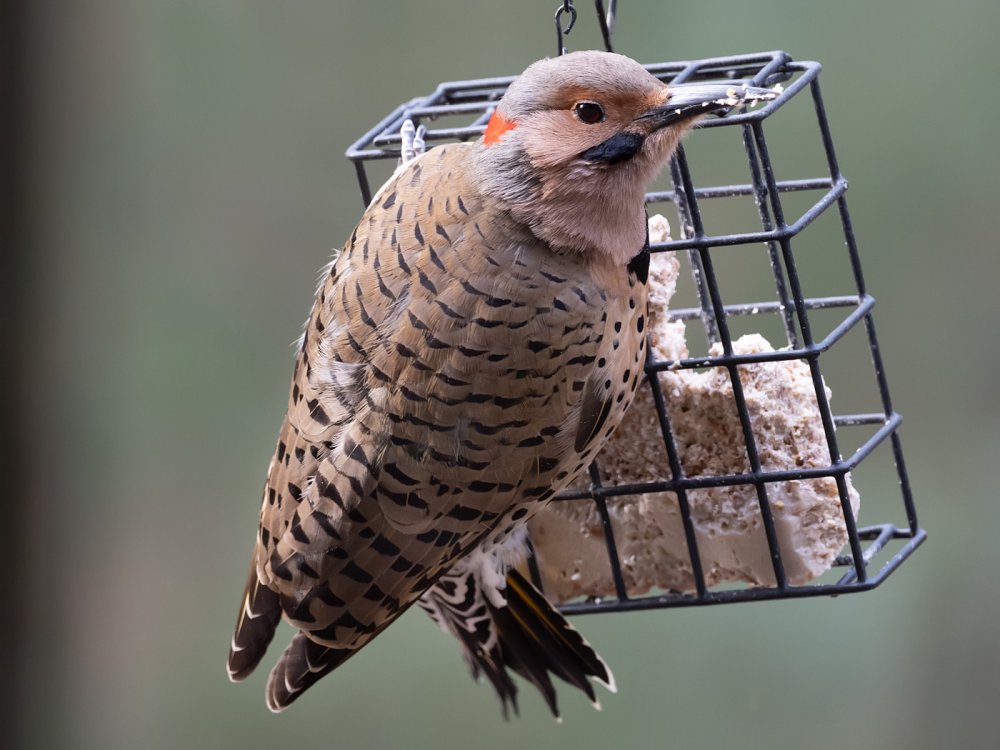
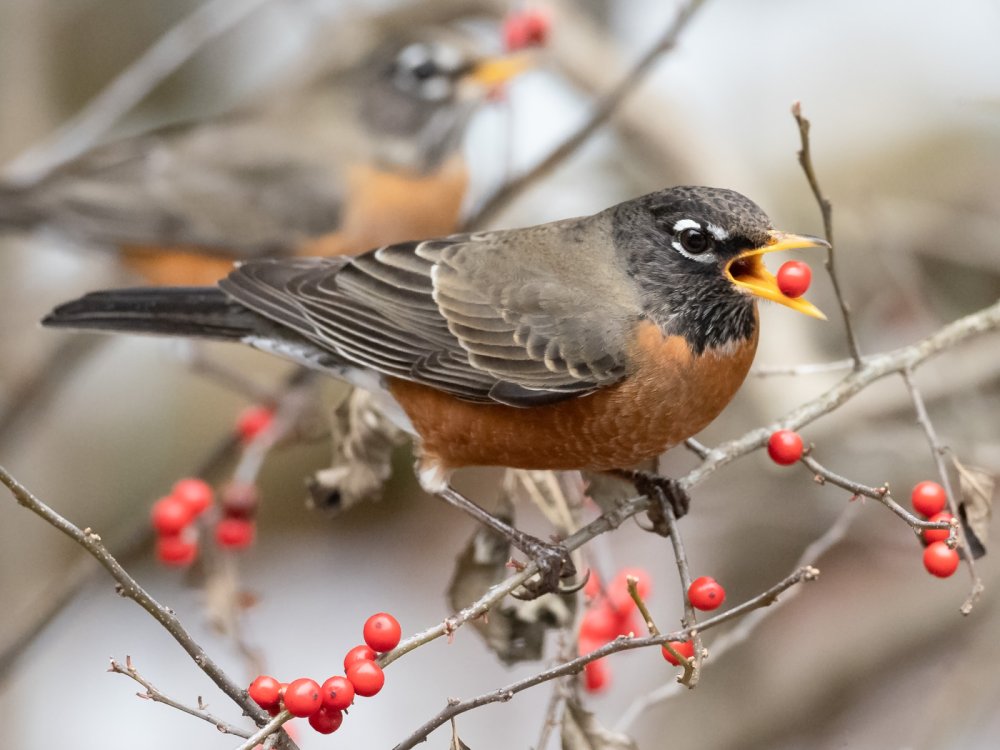
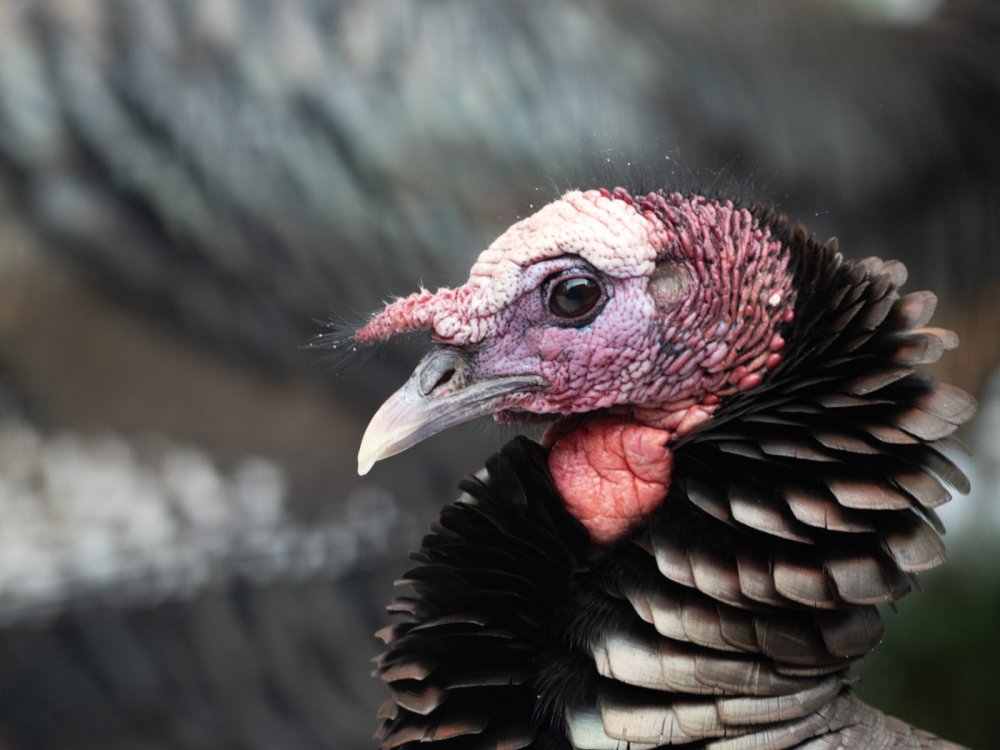
My wife Chris and I have been feeding the bird life in our yard for over 30 years. We have a steady population of typical New England birds including tufted titmouse, yellow goldfinch, chickadee, downy woodpecker, house finch, white-breasted nuthatch, cardinal and blue jays. We also have resident hairy woodpeckers, red bellied woodpeckers, red breasted nuthatch, chipping sparrows, American robins, turkey, white-throated sparrow, fox sparrow. I’m sure there are some I haven’t mentioned. We do get some out-of-the-ordinary birds such as the four sightings this year of a pileated woodpecker. No photos yet.
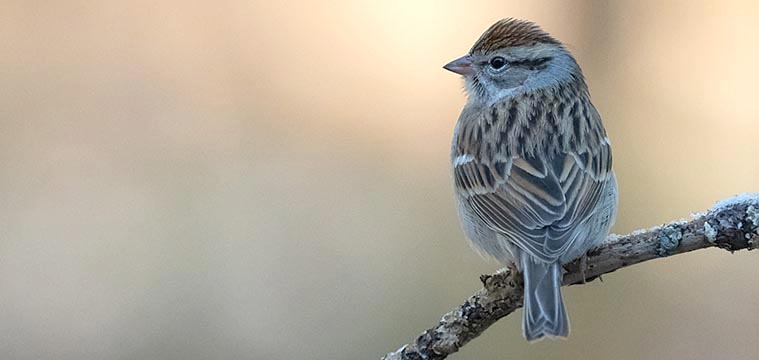
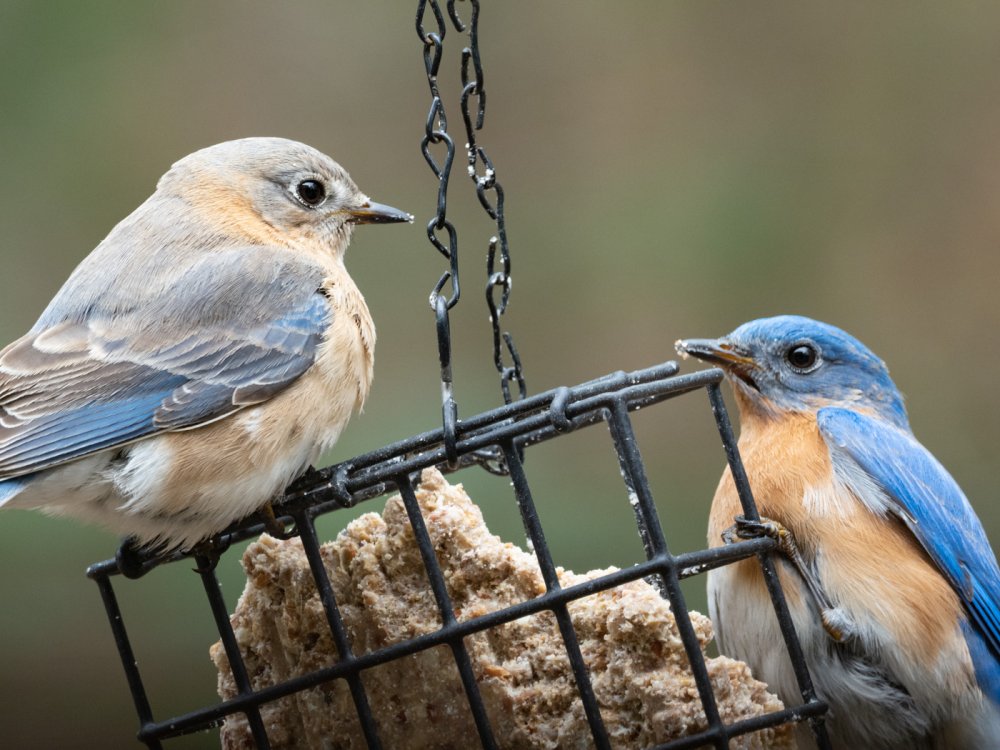
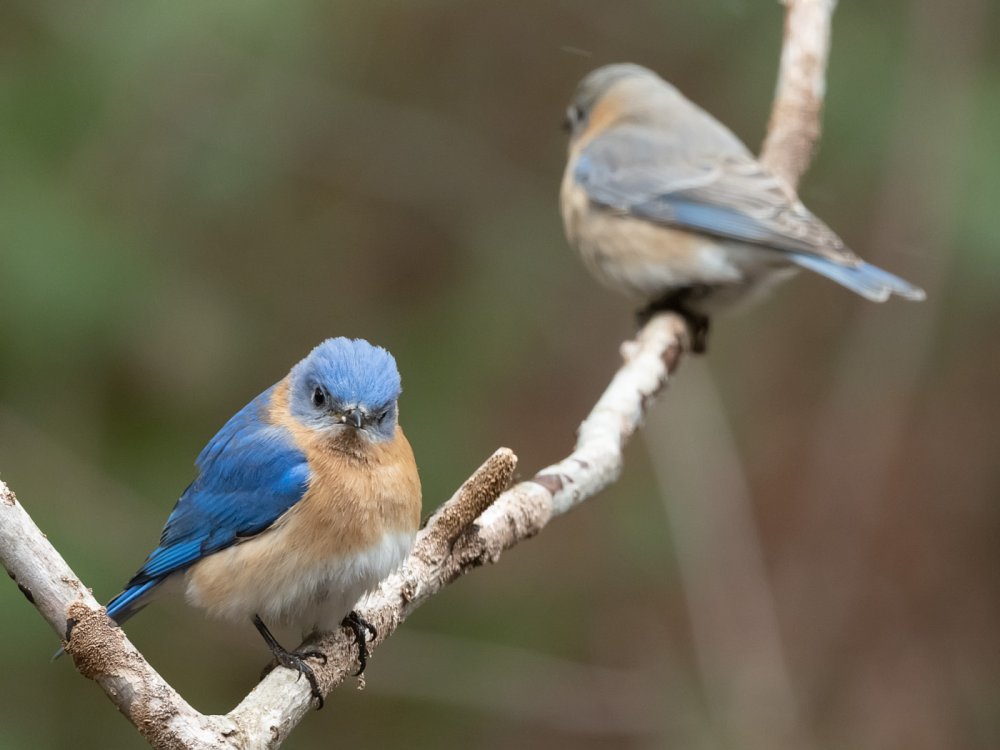
In early February, we had a pair of bluebirds come to our feeders. Bluebirds generally eat insects and there are not many around this time of year. They watched the other birds eating and gave it a try. It was amusing to watch a bluebird pick up a piece of bread and try to get it past its beak. One beat it against a branch until it was long and round then ate it. Over the next several weeks the number of bluebirds grew to four pairs. They would only visit on days that were cold; up to five of them on the suet feeder at a time. In the past, such visits by bluebirds in the winter were brief, only a day or two. This year they visited for more than four weeks. All the images in this post were captured in February 2023, with the exception of the two images of Robins which were made in December 2022.
My initial photographs were through the kitchen and lavette windows with the target areas being the bird feeders and birdbath. Once it was clear that they would be staying a while, I set up two light stands with natural perches attached to them with plastic straps. To increase my chances of getting the birds to use the perches, I strategically placed them between one of their favorite spots and another. One perch is between the bird bath and the suet feeder, and the other is between the suet and the tray feeder. At some times of the day there could be 20-30 birds visiting the feeders and the perches provide some convenient places to wait for a spot on a feeder to open.
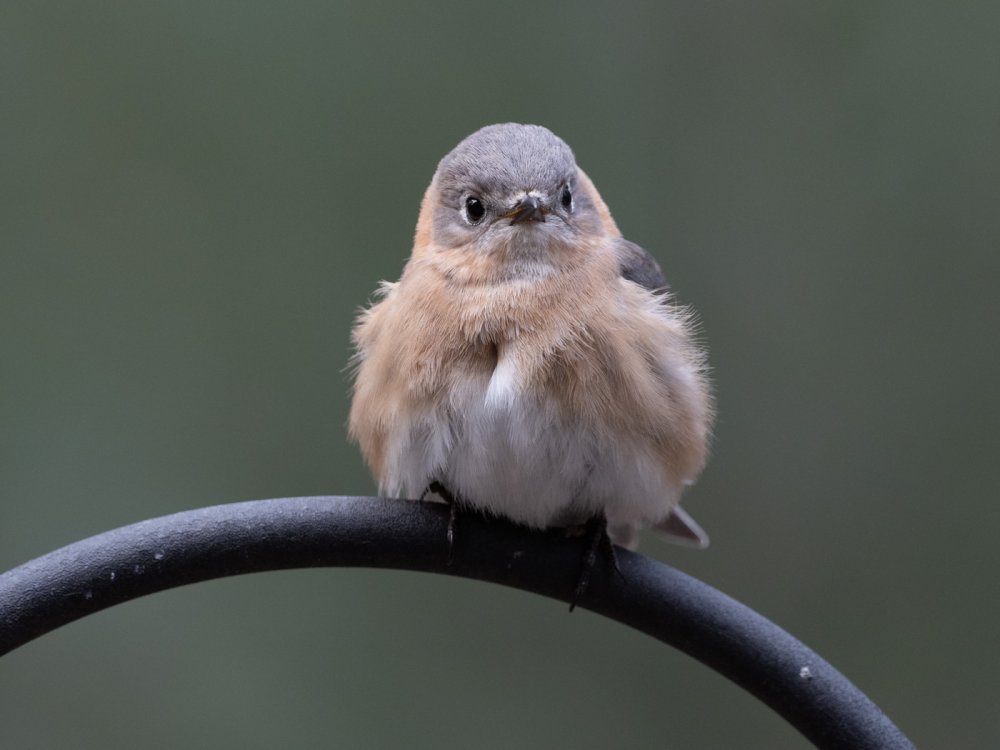
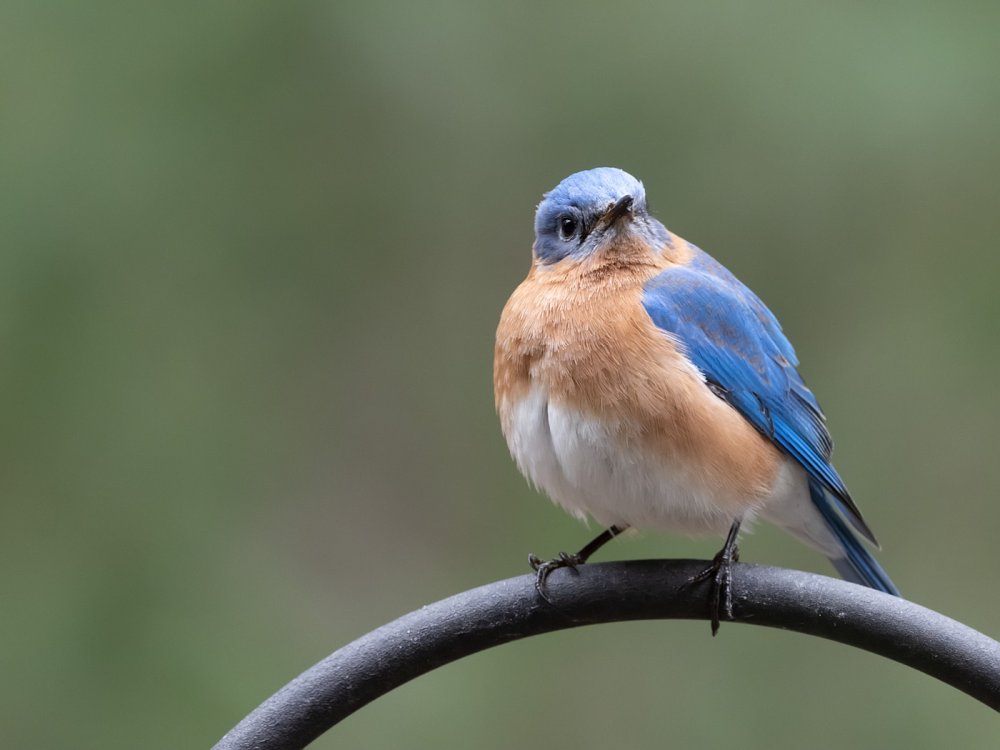
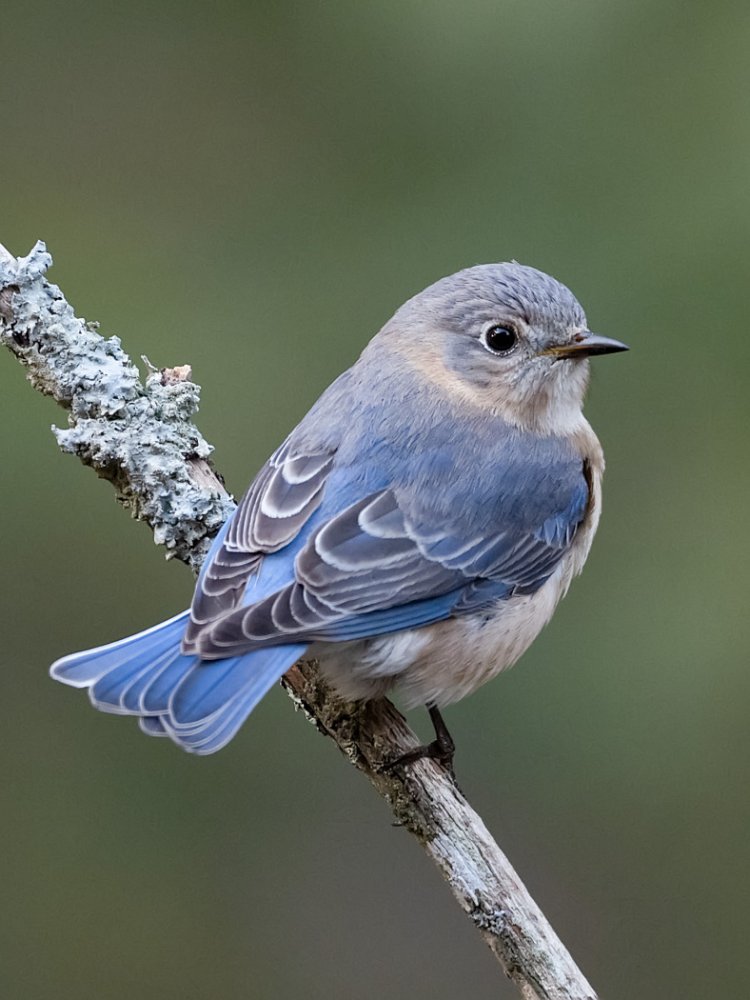
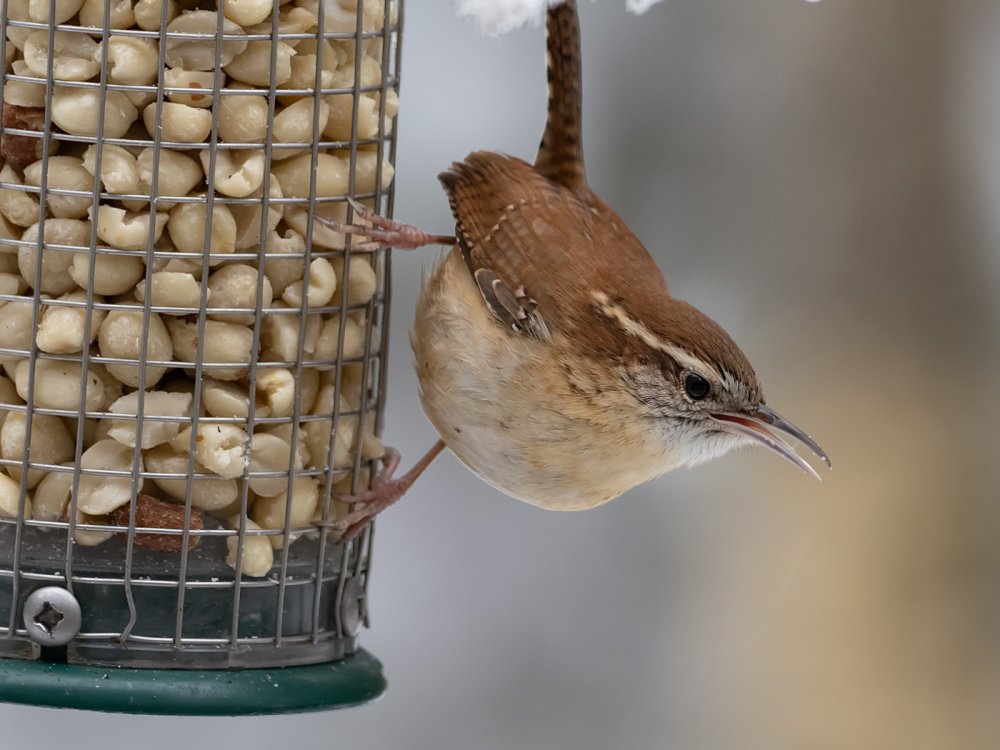
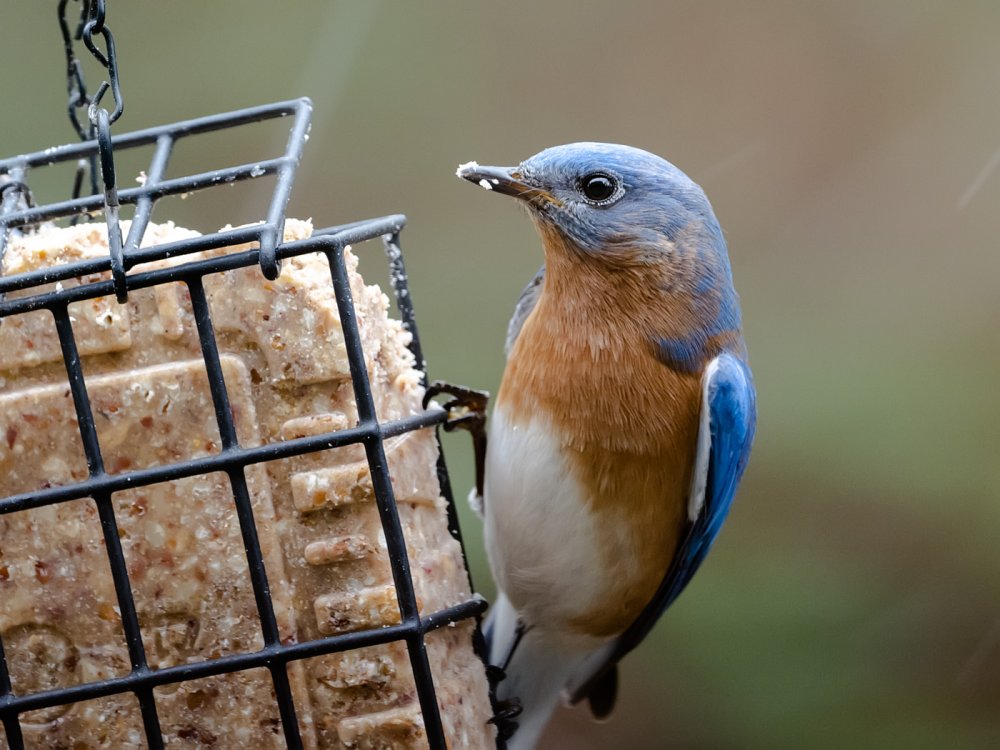
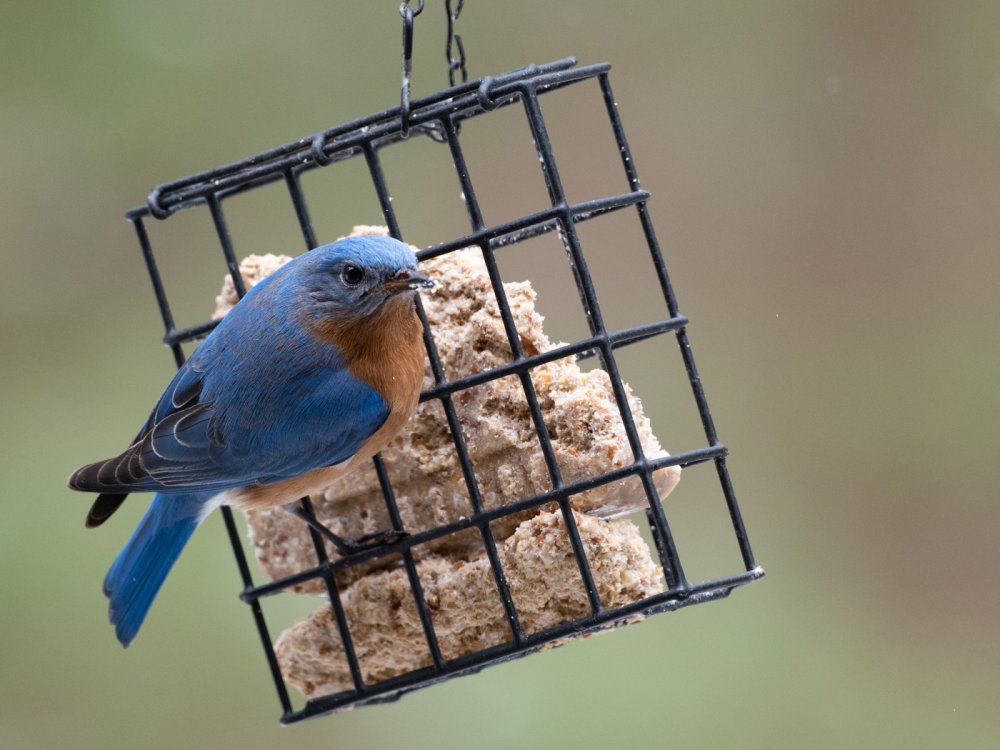
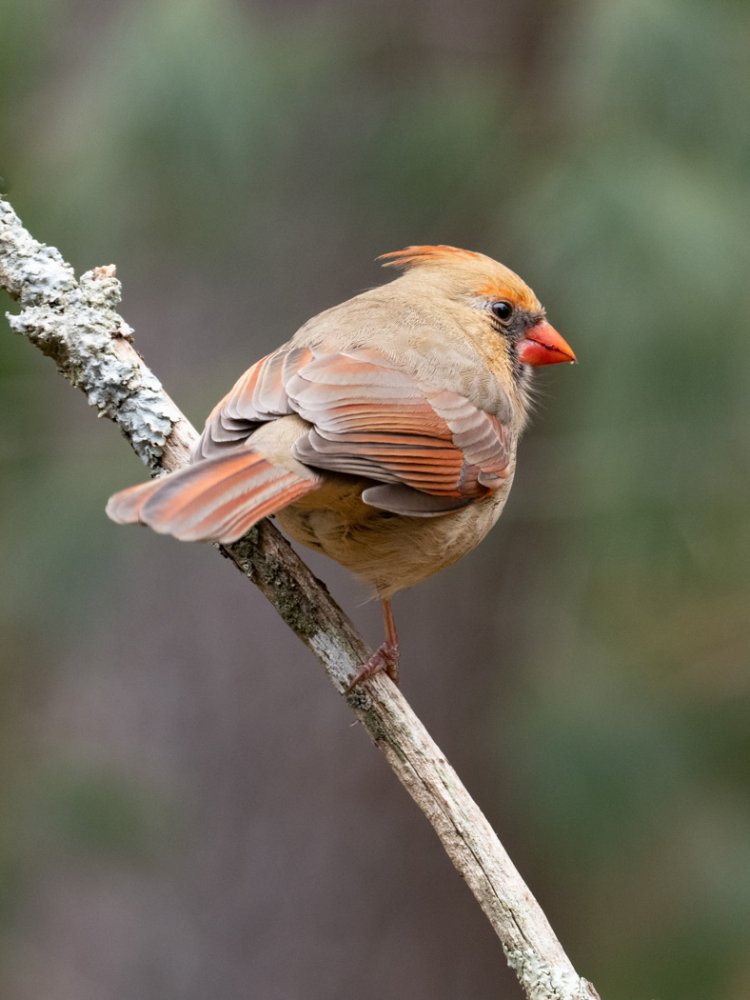
I choose the perches to have a vertical and horizontal branch to provide variety. If you intend to photograph over many days, it makes sense to change the perches every so often and even change the position so that you have an assortment of images with a variety of branches and backgrounds.

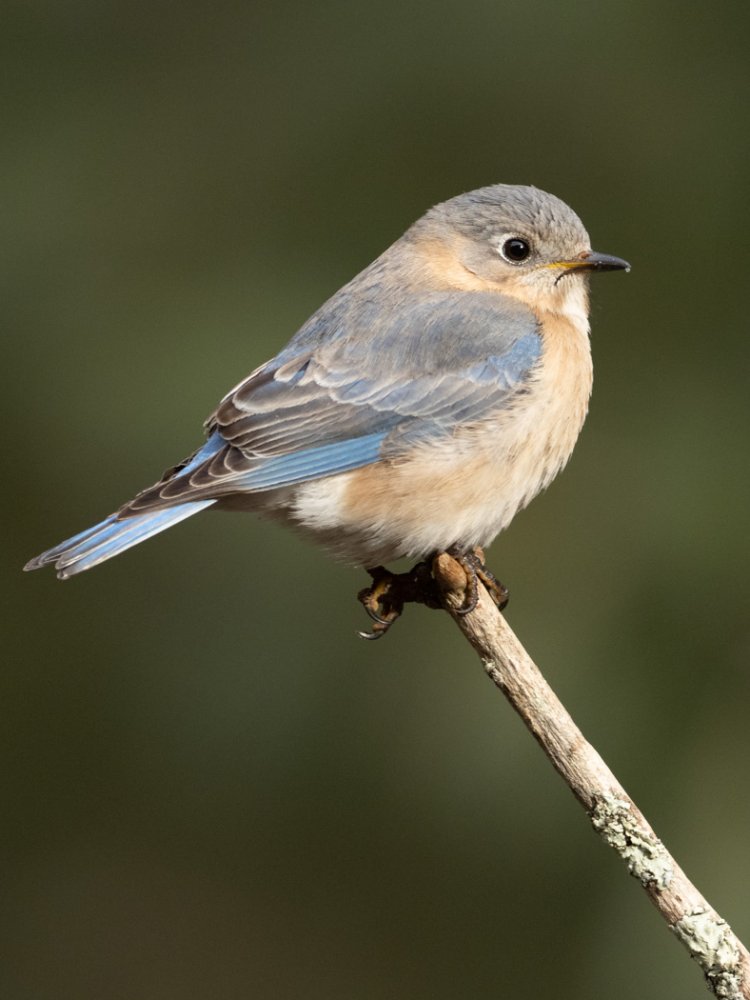
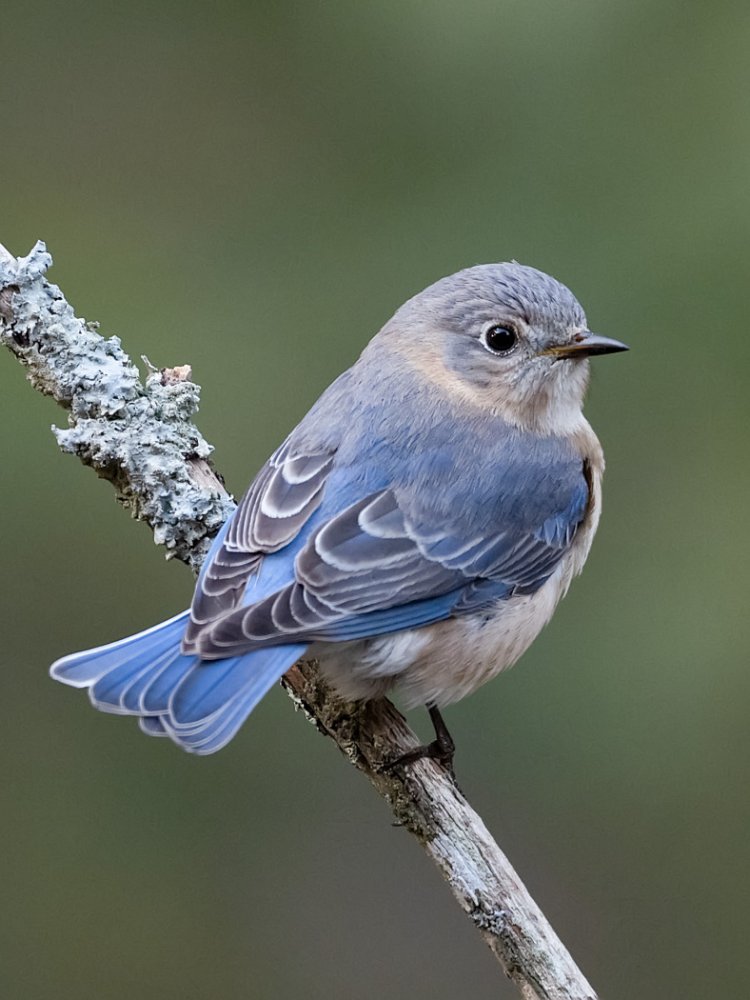
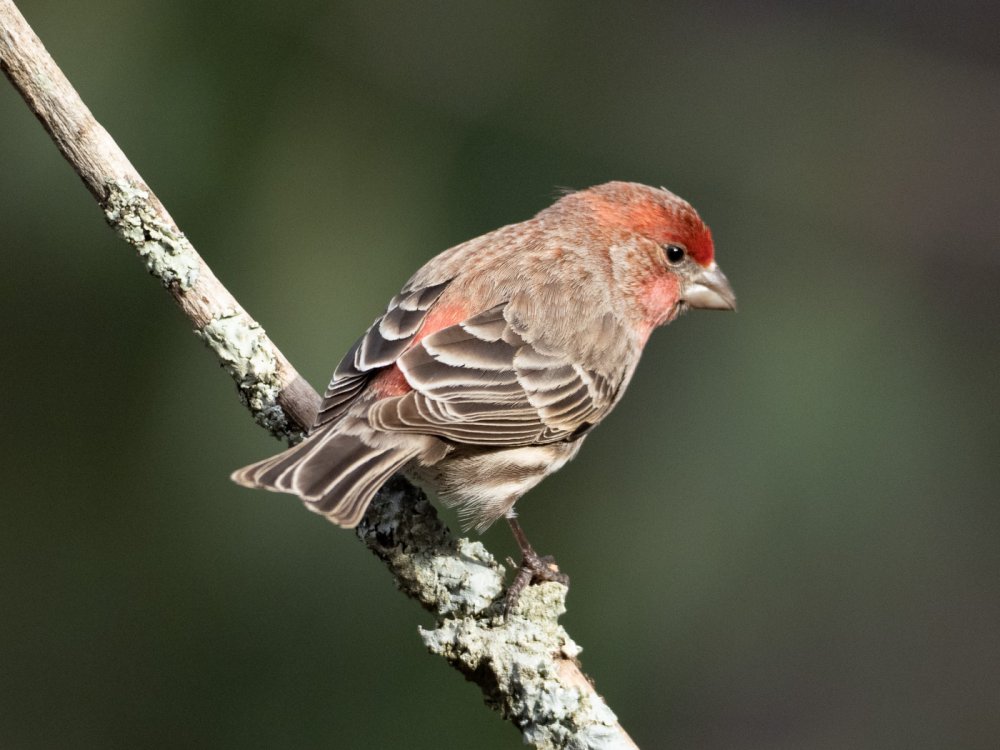


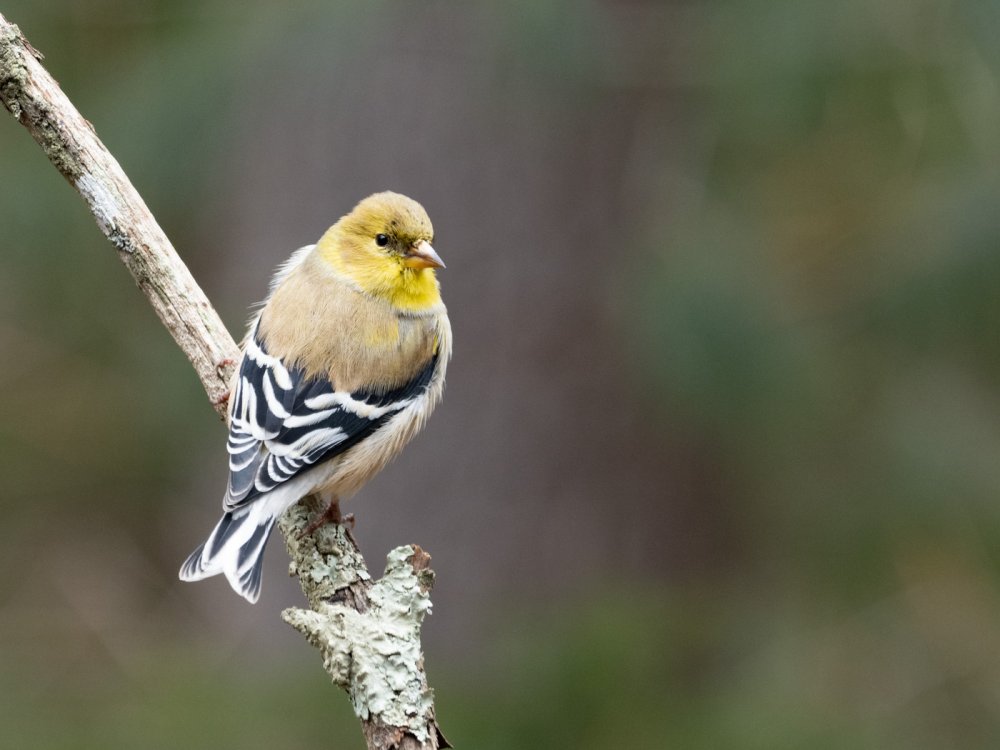



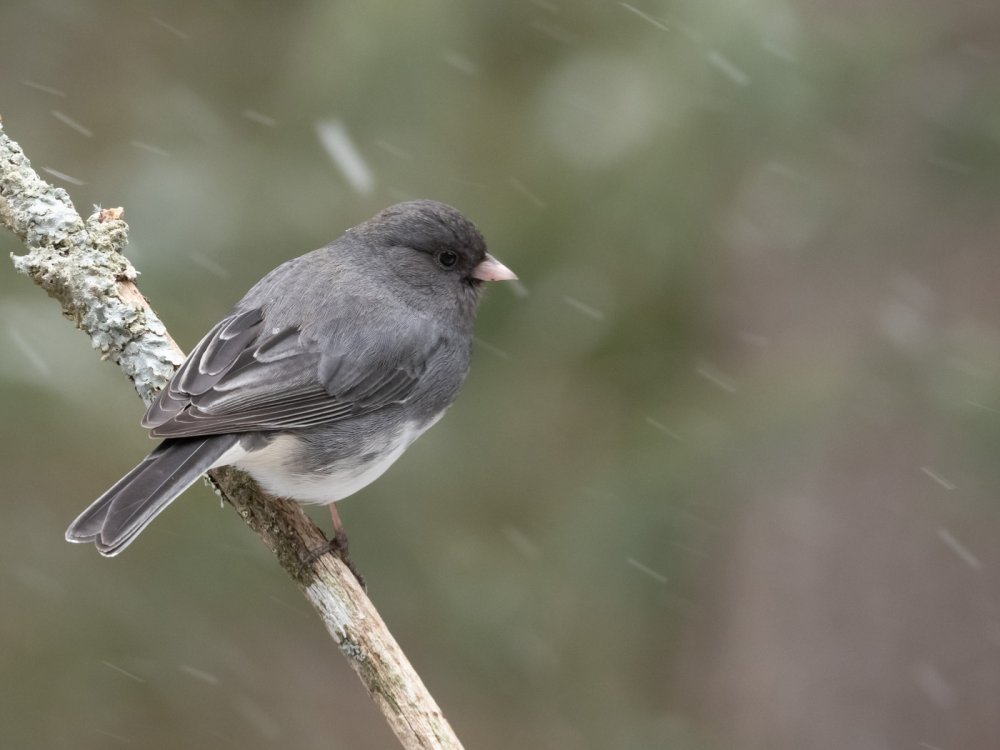


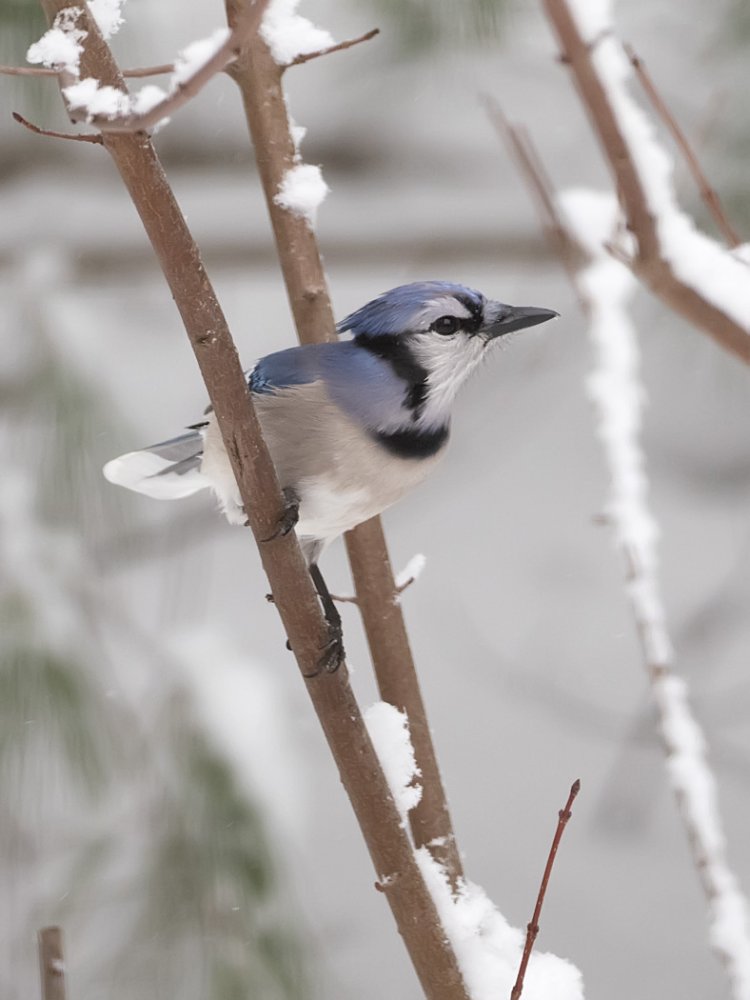
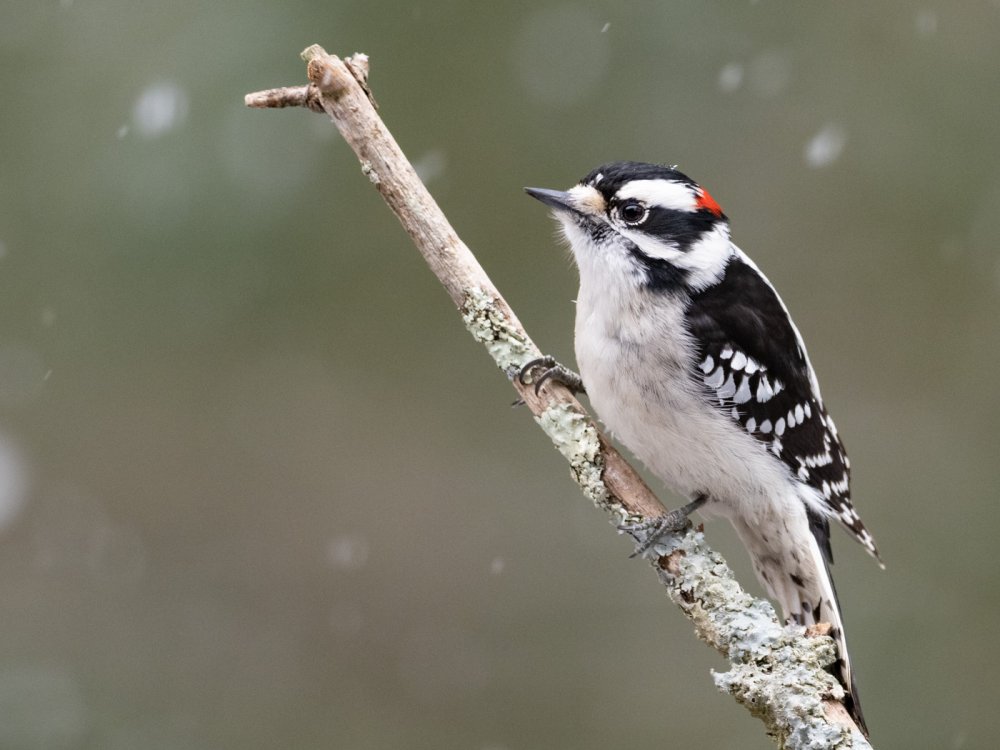
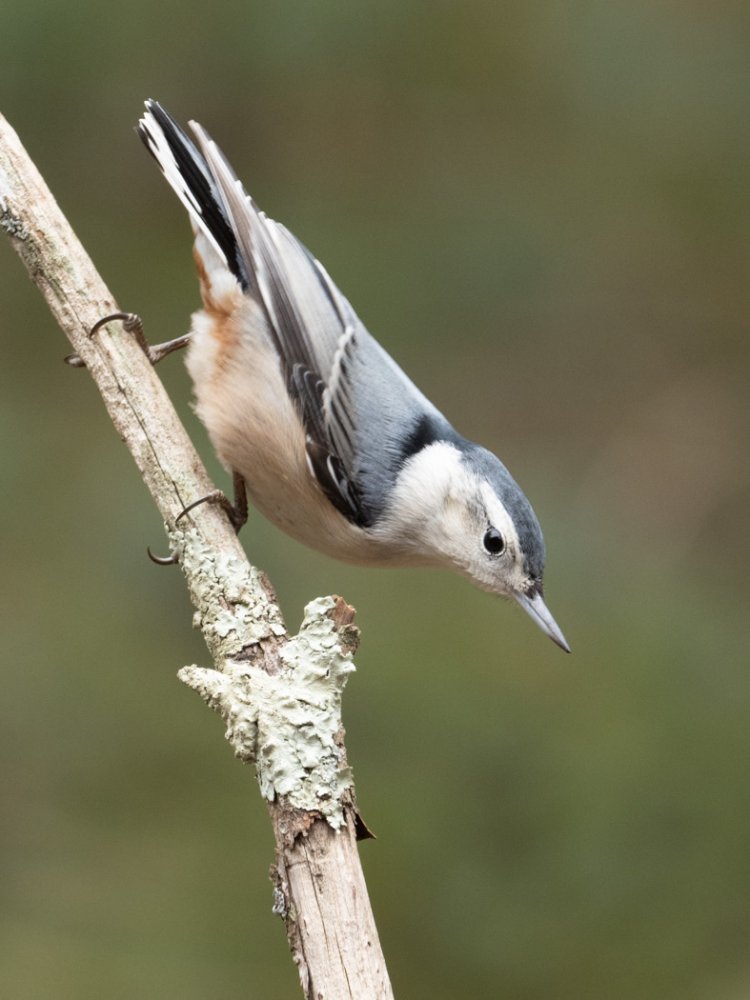
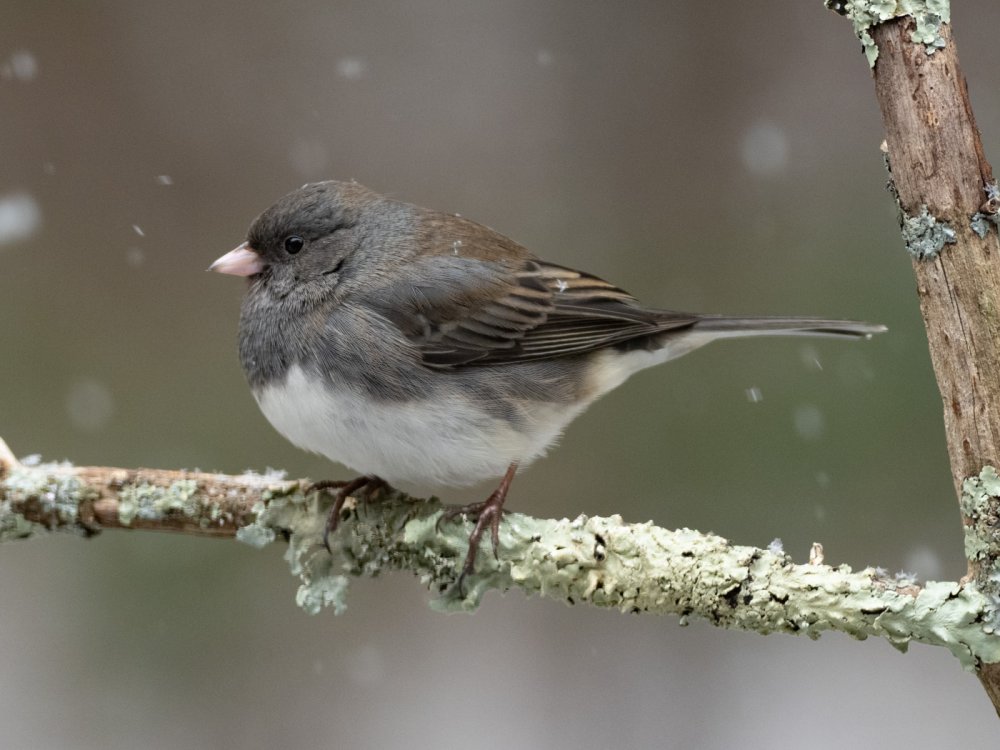
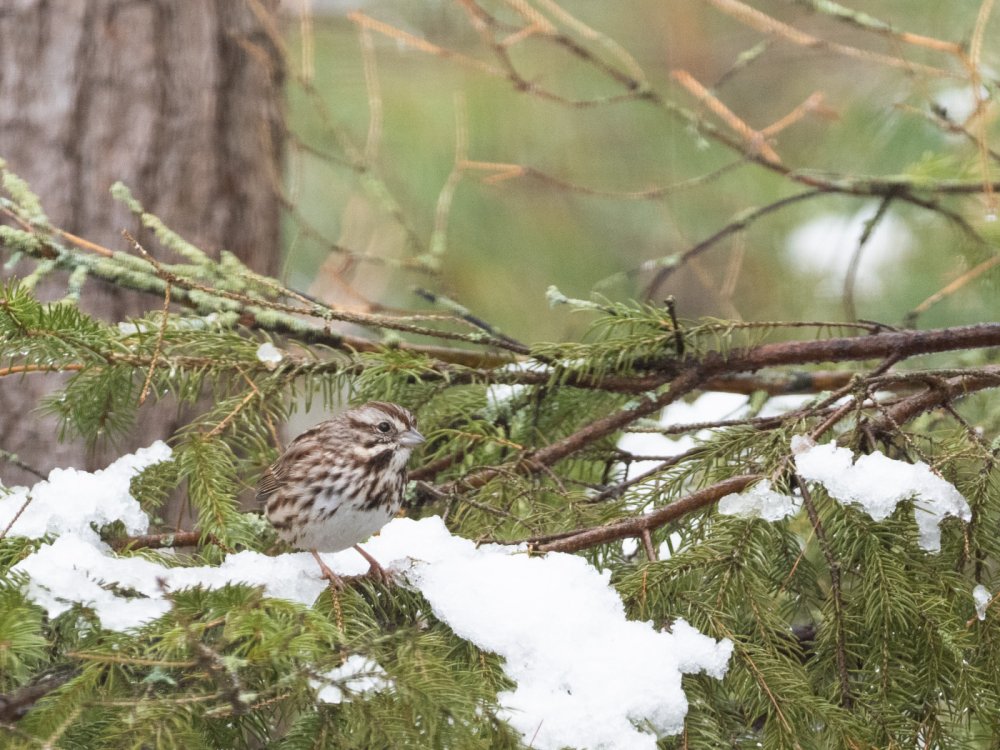
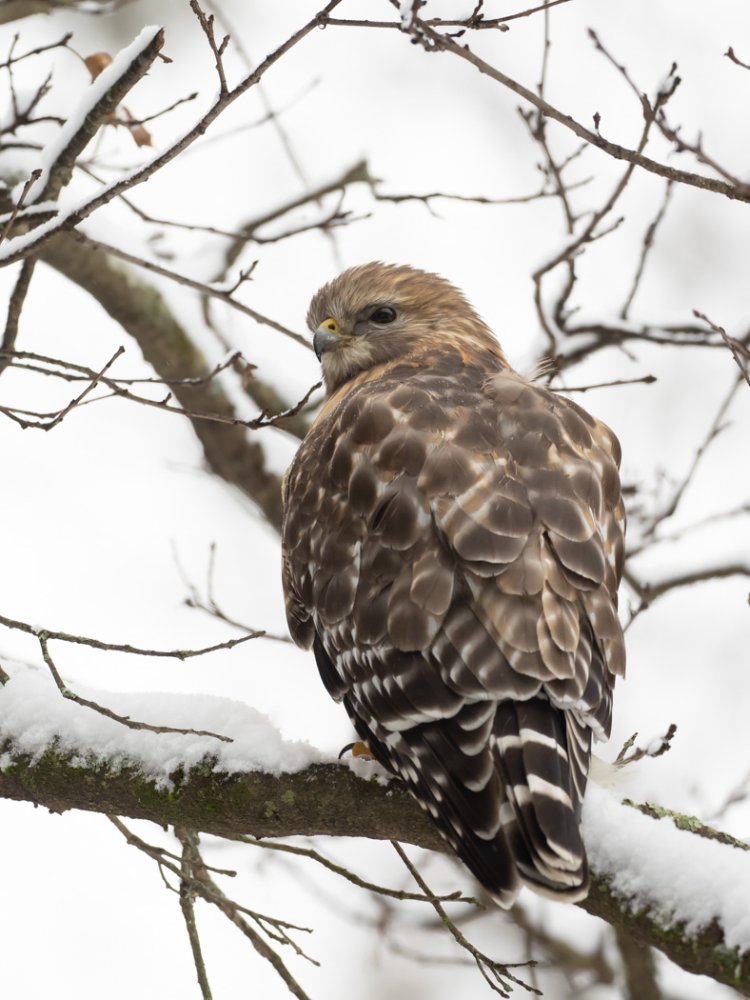
The perches are about ten feet from the windows and placed to have a distant background. All the photographs in this post are captured with a handheld Olympus O-MD E-M1 Mark III camera body with the Olympus M.Zuiko 300mm f/4 PRO lens, mostly at f/4 and shutter speeds as slow as 1/15 sec. Because of the small sensor size of the Olympus camera, the 300mm lens has a field of view equivalent to a 600mm lens on a camera with a full size sensor. I photographed through the double pane window glass; although it did take some experimentation to discover which window sections offered good results. When the weather is warmer, I will also shoot with the lavette window open, ensuring that the door is closed should a bird investigate the open cavity.
When photographing through a window it is important to be aware of two optical effects: distortion through the glass and reflections on the glass. Check for distortion by shooting through various parts of the window at a bird feeder or the perch and review the images with magnification to ensure detail is preserved. Reflections will most likely be caused by brightly lit objects in the room or from the windows across the room. By positioning the camera lens perpendicular to the glass you may solve both problems as I have found less distortion when shooting straight through the glass. Getting close to the glass also blocks reflections. If you have storm windows, you may want to open the lower section to reduce the amount of glass between your camera and the subject.
Photographing birds from a window in your house can very productive, and especially so in winter when the birds’ need to eat is necessary for their survival. They are acclimated to people being the window watching as they visit the feeders and ignore anyone standing there for the most part.
Make your plans now to take advantage of the springtime migration bringing new birds to backyard feeders, all hungry as they need the energy to build new feathers and to fly on to their summer areas.
Nice finches, Dennis!
Cemal
I like the “angry” bluebird staring directly at you.
What a beautiful selection of little birds (and brilliant photography).
Over here, all the large/middle size birds (kookaburras, cockatoos, rosellas, parrots, magpies, currawongs, ravens, wonga pigeons, etc.), we feed, keep the majority of the small ones away and hiding in the bush !
8-))
Thanks for the ideas and the beautiful photos, Dennis!